


- female
- 30 Years
- 01/04/2021
Is crying everyday normal?

Answered by 1 Apollo Doctors

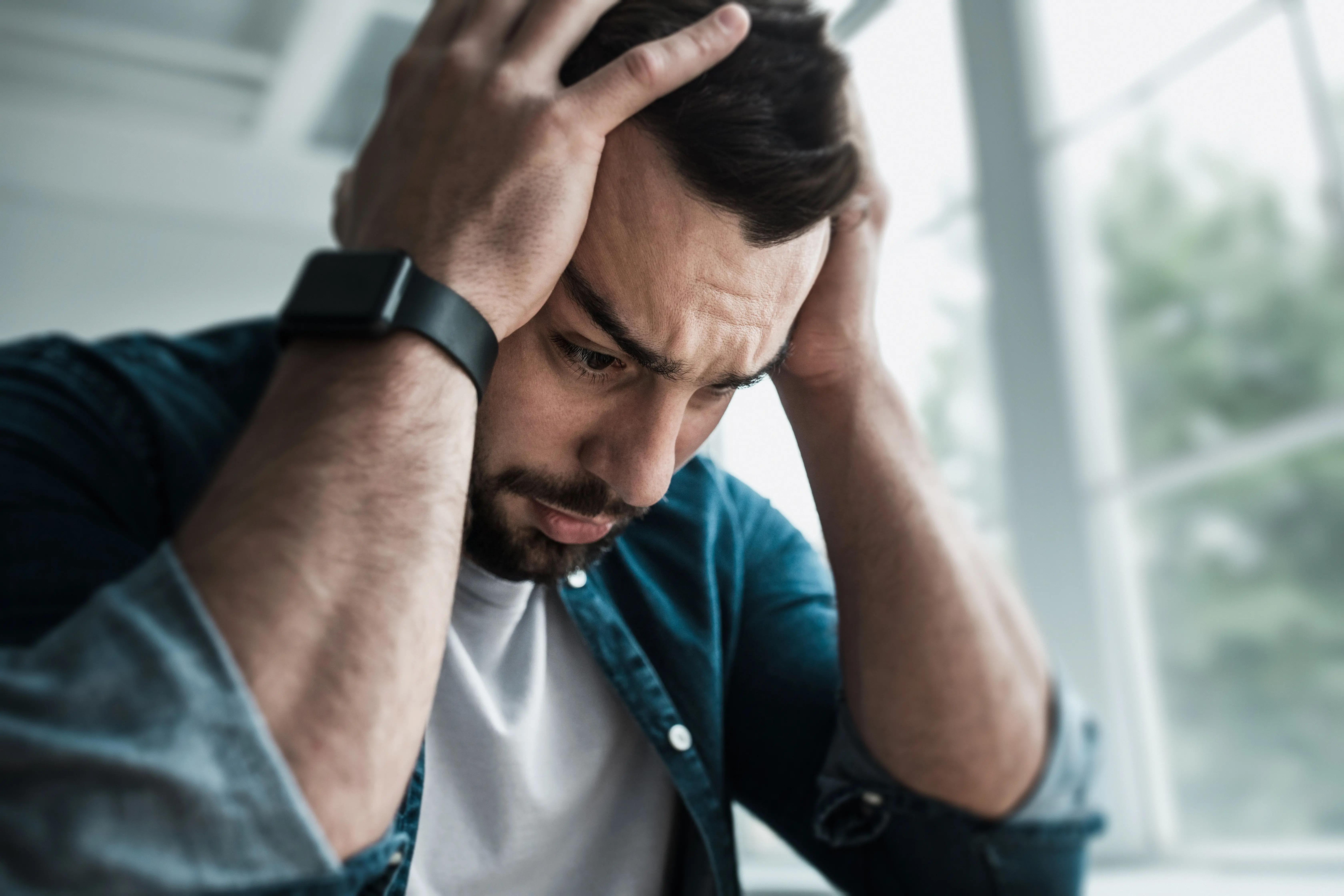
If you are having crying spells, crying over nothing or if you cry over small things that normally wouldn't bother you., these may be signs of depression. Kindly seek help
Answered 04/07/2025
0
0


Ask Apollo
AI powered Health Chatbot
-
Daily Crying Concerns
Crying every day can indicate emotional distress or an underlying health issue. Consider factors like stress, anxiety, depression, or hormonal changes. -
When to Seek Help
If crying affects daily life or is accompanied by symptoms like persistent sadness, loss of interest, or changes in sleep/appetite, consult a healthcare provider. -
Support and Self-Care
Engage in self-care, maintain a healthy routine, and reach out to friends or family. Seeking professional help is a sign of strength.
Other Related topics like...
 Is daily crying linked to depression?
 Answered 20/08/2025
0
0
More Psychiatry Health Queries
View allI've been feeling pretty anxious ever since lockdown, and it's starting to show up physically. I've noticed I'm having some indigestion issues, like gastric problems or acidity. But what really worries me is this heaviness or dull ache above my left chest that sometimes comes with shoulder and muscle pain. It seems to get worse when I'm anxious or start thinking about my health, and then my heart just races like crazy. Even my oxygen levels are normal. I never had any of these problems before lockdown, so I'm trying to figure out what's going on. It occasionally makes me feel dizzy too. What could be causing this, and what should I do about it?
It sounds like you may be experiencing symptoms of anxiety and acid reflux, which can manifest as chest heaviness, left-sided chest pain, shoulder pain, muscle pain, and dizziness. The symptoms worsening when you think about your health could be due to heightened anxiety levels. It's good that you checked your oxygen levels and they were normal. To address the anxiety symptoms, you can try relaxation techniques such as deep breathing exercises, meditation, or yoga. For the acid reflux symptoms, you can try over-the-counter antacids like Tums or Rolaids for immediate relief. Additionally, you may benefit from a proton pump inhibitor like omeprazole (Prilosec) or H2 blockers like ranitidine (Zantac) for longer-term management of acid reflux. However, given the chest pain and other symptoms you are experiencing, it is important to rule out any cardiac issues. I recommend seeking medical attention promptly to undergo a thorough evaluation, including an ECG and possibly further cardiac testing to ensure your symptoms are not related to any heart problems.


Answered by 1 Apollo Doctors
I'm dealing with this anxiety thing, but it's mostly fine during the day. The issue is, for the last three nights, I've been having these heart palpitations. They last for about 5 or 6 seconds, and my heart suddenly starts racing. I'm just wondering, is this kind of thing normal when you have anxiety?
Yes, experiencing heart palpitations can be a common symptom of anxiety, especially if they occur during periods of stress or at night when your mind might be more focused on your worries. However, it is important to rule out any potential heart conditions.
Answered by 1 Apollo Doctors
I'm 24 and I've been masturbating since I was 18. I usually do it at least once a day, sometimes twice, and I've stayed healthy so far. But I'm starting to worry it might start affecting my life negatively, since I'm having trouble concentrating on other things. Is too much masturbation bad for me? And if so, how do I stop?
Excessive masturbation, defined as interfering with daily life, relationships, or work, can negatively impact mental and emotional well-being, despite physical health remaining unaffected; to stop or reduce masturbation frequency, consider these strategies: set realistic goals, identify triggers, practice self-care, engage in physical activity, seek professional help from a therapist or counselor, and consider mindfulness techniques, such as meditation or deep breathing exercises, to manage stress and urges.
Answered by 1 Apollo Doctors
Health Articles for you
View all



Disclaimer: Answers on Apollo 247 are not intended to replace your doctor advice. Always seek help of a professional doctor in case of an medical emergency or ailment.