


- female
- 41 Years
- 29/01/2025
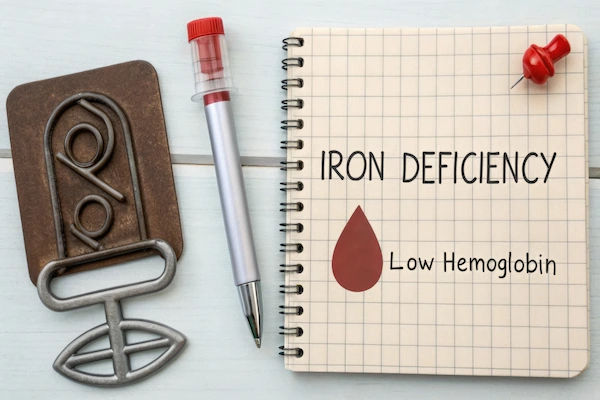
I recently found out that my ferritin levels are at 9.78 ngmL, which seems to be lower than the normal range. I'm a 41-year-old female and I'm starting to get worried. I'm considering consulting a hematologist for advice on safe iron supplements to help increase my levels. Are there any specific supplements or dietary changes I should consider? Is there cause for concern with levels this low?

Answered by 1 Apollo Doctors

yes consult your hemotologist
Dr. Ranjith Suggests...
Consult a Haematologist
Answered 04/07/2025
0
0

More Haematology Health Queries
View allI'm really worried about my wife who's got dengue. Her platelet count was initially at 52,000, but then it dropped to 18,000, which led us to get her admitted and she had a platelet transfusion. Since then, her platelet counts have been creeping upfirst 28,000, then 36,000, and now it's at 47,000. I'm confused because I thought after a transfusion, her platelets would increase more quickly. Is this normal or should I be concerned about how slowly they're going up?
it will improve


Answered by 1 Apollo Doctors
I just got my blood test results back, and it shows that my absolute basophil count is 0 and my lymphocytes are at 41. Should I be worried? Is this something serious or pretty normal? I'm a little anxious about what these numbers might mean for my health.
An absolute basophil count (ABC) of 0 is generally considered within the normal range, as basophils typically account for less than 1% of total blood cells, while a lymphocyte percentage of 41 is slightly elevated, but may not be a cause for concern, unless accompanied by other abnormal blood test results or clinical symptoms,
Answered by 1 Apollo Doctors
I'm dealing with a pretty low vitamin B12 level, around 72Pgml, and I've been having some back and shoulder pains. Sometimes I even feel a bit dizzy. Could this be linked to the low B12? What can I do to get it back to normal?
To address a low vitamin B12 level of 72 pgmL, consider the following steps: consult your doctor about starting vitamin B12 supplements, either orally or through injections, aiming for a daily dose of 2.4-2.6 mcg; increase dietary intake of B12-rich foods, such as fish, meat, poultry, eggs, dairy products, and fortified plant-based milk; and address potential underlying causes of deficiency, such as gastrointestinal disorders or medication interactions; regarding symptoms, yes, low B12 levels can cause back and shoulder pain, dizziness, fatigue, and numbness or tingling sensations, so correcting the deficiency may help alleviate these symptoms.
Answered by 1 Apollo Doctors
Health Articles for you
View all Symptoms, Causes, and Care.webp)
.webp)
.webp)
Disclaimer: Answers on Apollo 247 are not intended to replace your doctor advice. Always seek help of a professional doctor in case of an medical emergency or ailment.