


- female
- 45 Years
- 29/01/2025
I'm looking at my blood test results and it mentions something about normocytic normochromic RBCs. I'm a bit confused about what that really means for my health. Could you help me understand the potential causes behind this and what impact it might have on me?

Answered by 1 Apollo Doctors

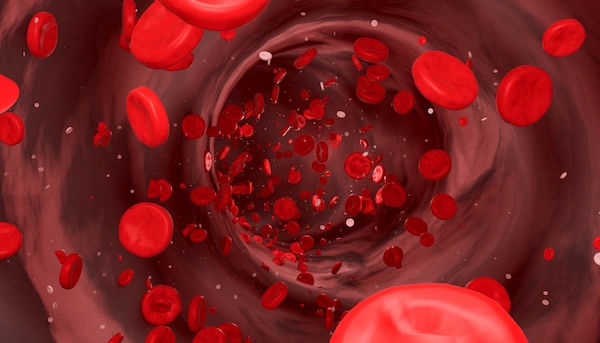
Normocytic normochromic RBCs indicate that your red blood cells (RBCs) are normal in size (normocytic) and color (normochromic), suggesting that your RBCs are healthy and functioning properly, but this result can also be seen in early stages of anemia
Dr. Mubarak Suggests...
Consult a Haematologist
Answered 04/07/2025
0
0

More Haematology Health Queries
View allI'm a bit concerned about having high red blood cell counts in my CBC tests. Could you help me understand what might be causing this and what I could do about it?
In males thats common no need to worry,consume balanced diet and maintain healthy lifestyle


Answered by 1 Apollo Doctors
I'm a bit concerned about my CBC report results. The PDW is at 19.3, the MPV is showing 13.1, and the PLCR is 51.0, which I learned are high values. What could this mean for my health? Should I be worried, and what steps should I take next?
These are of no much significant unless you have any specific disease you can ignore them
Answered by 1 Apollo Doctors
I'm really worried because my blood test shows a high total WBC count of 23,000, and I'm experiencing fever along with full body pain. Can you please guide me on what steps I should take next?
Possible Causes of Abdominal and Groin Pain _Relation to Renal Stones:_ 1. _Unlikely_: The symptoms you described are less likely related to renal stones, as kidney stone pain is typically: - Severe and sharp - Located in the flank or side - Radiating to the groin 2. _Gas and bowel movements_: Your symptoms seem more related to gastrointestinal issues, such as: - Irritable Bowel Syndrome (IBS) - Gas and bloating - Constipation or diarrhea _Possible Causes:_ 1. _Gastrointestinal issues_: As mentioned earlier, IBS, gas, and bowel movement issues could be contributing to your symptoms. 2. _Urinary tract issues_: Although less likely, urinary tract infections (UTIs) or other issues could cause discomfort in the groin and abdominal areas. 3. _Hernia or testicular issues_: In some cases, a hernia or testicular issues could cause pain in the groin and abdominal areas. _Recommended Next Steps:_ 1. _Consult your doctor_: Schedule an appointment to discuss your symptoms and determine the best course of action. 2. _Get a thorough examination_: Your doctor will perform a physical examination and may order diagnostic tests to rule out underlying conditions. 3. _Follow-up on renal stones_: If you haven't already, follow up with your doctor to ensure the renal stones are being properly managed.
Answered by 1 Apollo Doctors
Health Articles for you
View all

Disclaimer: Answers on Apollo 247 are not intended to replace your doctor advice. Always seek help of a professional doctor in case of an medical emergency or ailment.