


- Male
- 25 Years
- 22/01/2025
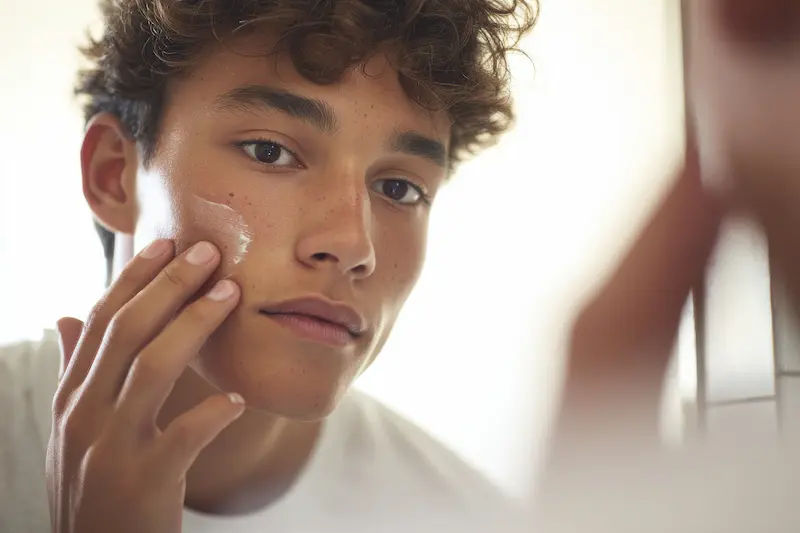
I'm really worried because I've noticed that my face has started to look like it's aging prematurely, and I think it might be related to overmasturbation. Is there any way I can restore my skin and make it look healthy and glowing again? Would love to hear any suggestions.

Answered by 1 Apollo Doctors

yes you can use it and follo the same
Dr. Anshul Suggests...
Consult a Dermatologist
Answered 04/07/2025
0
0

More Dermatology Health Queries
View allI'm experiencing quite a bit of pain on the left side tip of my nose. It feels really sore to touch, but I can't see any pimples or anything there. This started in the afternoon, and I'm not sure what's going on. Should I be worried about it, or is there something I can do at home to help with the pain?
You can try using an antibiotic ointment like Mupirocin 2% applied inside the nostril three times a day for 5-7 days to help clear up the infection. Additionally, taking Ibuprofen 400mg every 6-8 hours as needed for pain relief can also be helpful. If the pain persists or worsens, it is recommended to see a doctor for further evaluation and management.


Answered by 1 Apollo Doctors
I'm dealing with these mouth ulcers every two weeks and it's pretty painful, especially when I'm eating or talking. I'm really curious about what could help with the pain and maybe even prevent them from coming back. What should I do?
Mouth ulcers can be quite uncomfortable. To help relieve the pain and promote healing, you can use a topical oral gel containing Choline Salicylate and Cetalkonium Chloride. Apply the gel directly on the ulcer 3-4 times a day after meals and at bedtime. Additionally, you can take a Vitamin B complex supplement to aid in the healing process. Make sure to maintain good oral hygiene and avoid spicy or acidic foods that can irritate the ulcers.
Answered by 1 Apollo Doctors
I'm noticing a lot of premature grey hairs and it seems like they're increasing every day. Do you have any advice or solutions for this?
Greying of hair is a normal aging process which starts around 30 as the melanocytes activity of the body slows down and gradually the melanin production in hair stops. If it is happening before this age, it is called premature greying. This can be genetic and also due to deficiency of essential vitamins and minerals. The hairs which have already turned white cannot be turned back to black. But you can delay the process of greying of hair by some lifestyle modifications. Take adequate sleep and drink lots of water, eat lots of fruits and green leafy vegetables. Few tablets can also be prescribed for the same. there is also one lotion which is supposed to work.
Answered by 1 Apollo Doctors
Health Articles for you
View all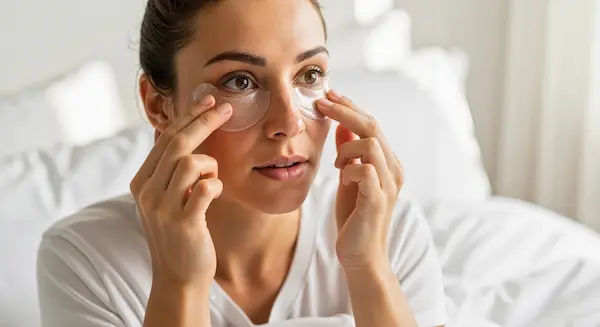

Disclaimer: Answers on Apollo 247 are not intended to replace your doctor advice. Always seek help of a professional doctor in case of an medical emergency or ailment.