


- female
- 30 Years
- 29/01/2025
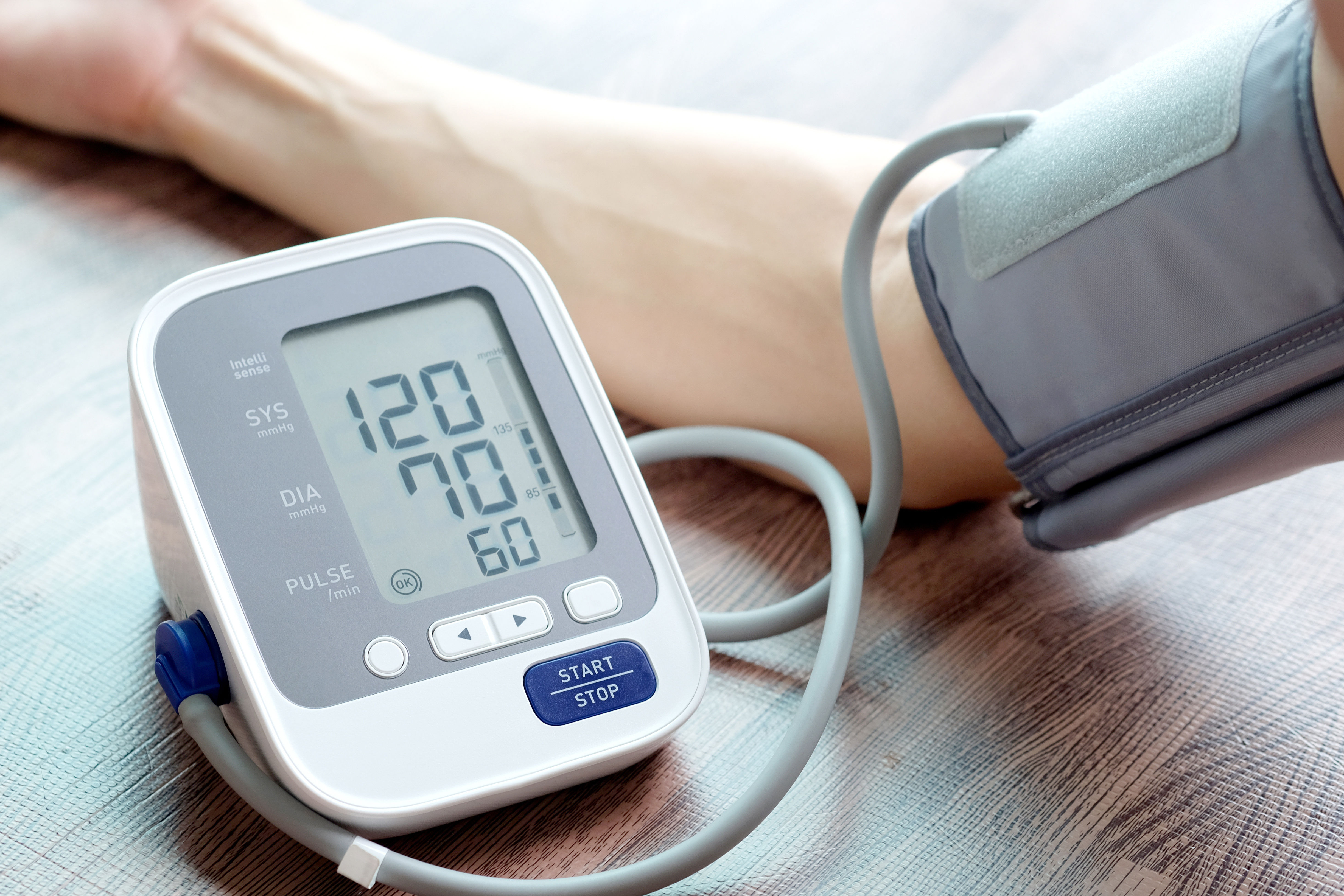
I've been dealing with anxiety-induced tachycardia and my resting heart rate used to be around 100-130 with a blood pressure of 130-14070-80 for the past year. My doctor prescribed Ciplar LA 40 mg and Amitone 10 mg, which I've been taking for the past four days. I've noticed my resting heart rate has dropped to between 70-85 and my blood pressure is now around 11080. There's another option, Metoprolol 25 mg, and I'm curious if it's a better choice for me to use just for a month. What would you suggest?

Answered by 1 Apollo Doctors

For anxiety-induced tachycardia, both Ciplar LA (propranolol) 40 mg and Metoprolol 25 mg are commonly used beta-blockers to help control heart rate and blood pressure. In your case, since you have already started taking Ciplar LA 40 mg and have noticed an improvement in your resting heart rate and blood pressure within 4 days, it seems to be working well for you. Therefore, I would recommend continuing with Ciplar LA 40 mg for the next month as prescribed by your doctor. It has shown effectiveness in reducing your heart rate and maintaining a normal blood pressure range. Make sure to follow your doctor's instructions regarding dosage and duration of treatment.
Dr. Anshul Suggests...
Consult a Cardiologist
Answered 04/07/2025
0
0

More Cardiology Health Queries
View allI've been dealing with young hypertension since I was 15, and now I'm 18. I had symptoms like constant headaches, and after all the tests from ultrasounds to ECGs everything came out fine. The doctor said it was hereditary since my great-grandfather had it from age 13, my grandfather from 32, and my dad from 40. So, I've been on antihypertensive medication, taking 2 Nicardia 10 and 1 Metolar 25 daily. My blood pressure is always in the normal range, around 12080 or 13080, and I'm doing well otherwise. With my height at 180 cm and weight at 94 kg, I'm wondering if there's any way I could stop or reduce the medicines. How can I maintain long-term health while on medication?
since you have a family history of hypertension and were diagnosed with young hypertension, it is important to continue taking your antihypertensive medications as prescribed by your doctor to help control your blood pressure and reduce the risk of complications in the future. To maintain a long and healthy life while on medication, it is important to also focus on lifestyle modifications such as maintaining a healthy weight, eating a balanced diet low in sodium, engaging in regular physical activity, managing stress, and avoiding smoking and excessive alcohol consumption. If you are considering stopping or reducing your medications, it is crucial to consult with your doctor first. They can assess your current health status, review your blood pressure readings, and determine if any adjustments to your medication regimen are necessary. It's always best to follow your doctor's advice when it comes to managing your hypertension.


Answered by 1 Apollo Doctors
I've been taking aspirin every day since I had angioplasty, but I'm concerned about the possibility of being allergic to it. How can I tell if I'm having an allergic reaction to aspirin?
Visit your Physician for evaluation and appropriate management
Answered by 1 Apollo Doctors
I have dental caries in 89 teeth and need extractions but I'm on Clopilet A 75 for my CAD with a stent. My dentist says to stop antiplatelet meds for a week before surgery but I'm not sure if it's safe. I take Metrogyl and Augmentin occasionally for infections and mostly eat soft foods. Can I really pause my antiplatelet meds for that long without risking my heart?
It's understandable to be concerned about stopping your antiplatelet medication. While some dentists recommend pausing antiplatelet drugs before dental extractions, it's generally not considered necessary, especially for procedures like extractions that have a low risk of bleeding. Dental extractions can be performed safely without stopping these medications as long as appropriate local hemostatic measures are taken.
Answered by 1 Apollo Doctors
Health Articles for you
View all



Disclaimer: Answers on Apollo 247 are not intended to replace your doctor advice. Always seek help of a professional doctor in case of an medical emergency or ailment.