- Male
- 31 Years
- 22/01/2025
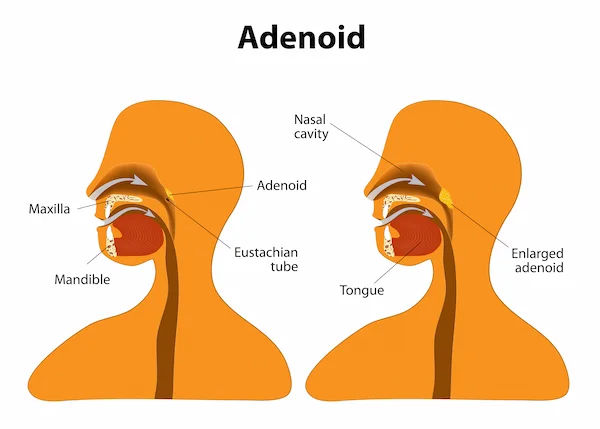
I've been told I have nasal polyps in my right nostril. I went to an ENT and they said I needed a CT scan, which I did. After reviewing the scan, the doc said I should have surgery right away and didn't even suggest any medication first. It feels a bit suspicious to me. From what I've found online, these polyps seem pretty common. I'm just wondering if there are medicines or home remedies I could try before jumping into surgery. What do you think?
Answered by 1 Apollo Doctors
No surgical excision is the treatment of choice for nasal polyps,trust your doctor and follow their advice.
Dr. Kareemulla Suggests...
Consult a Ent Specialist
Answered 04/07/2025
0
0

More ENT Health Queries
View allmy right ear has had hearing problems for the past 3 years and doctors keep saying surgery is the only option with no medicine treatment available is there anything else i can try to improve my hearing without surgery
While doctors may recommend surgery for certain types of hearing loss, there are alternatives to explore, particularly if you have a type of hearing loss that can be managed with assistive devices. Consider these options: 1. Hearing Aids: Hearing aids are the most common and effective way to improve hearing for many individuals with hearing loss. They amplify sounds, making it easier to hear conversations, music, and other sounds. A variety of hearing aids are available, including those that can be prescribed and fitted by audiologists or hearing aid specialists, as well as over-the-counter options. Some hearing aids can be programmed to enhance certain sounds, making them easier to hear in specific environments, like noisy restaurants or theaters. Assistive listening devices can amplify sounds and help in daily conversations, speech, television, and meetings, providing communication accessibility and effective communication. 2. Assistive Listening Devices (ALDs): ALDs are devices that amplify sound and make it easier to hear in specific situations, like public speaking engagements or watching television. They can also help to reduce background noise, making it easier to follow conversations in noisy environments. 3. Other Assistive Technologies: Closed Captioning: Using closed captioning on television and movies can be beneficial for individuals with hearing loss. Visual Aids: Utilizing visual aids like hand gestures and body language can be helpful in communication. Apps: There are apps available for smartphones and tablets that can help with hearing loss, such as apps that amplify sound or provide visual cues for communication. 4. Communication Strategies: Open Communication: Talk openly with people about your hearing loss and how they can best communicate with you. Ask for Repetition: Don't hesitate to ask people to repeat themselves, speak more slowly, or write things down if you need to. 5. Second Opinions: Consider seeking a second opinion from a different audiologist or ENT specialist to explore all available treatment options. They may be able to offer a different perspective on your hearing loss and recommend alternative treatments. Important Considerations: Cause of Hearing Loss: The best treatment for hearing loss depends on the underlying cause. Individual Needs: The type and severity of your hearing loss will determine which assistive devices or strategies are most helpful. Proactive Approach: Taking an active role in managing your hearing loss, such as using assistive devices and implementing communication strategies, can significantly improve your quality of life. Note: While some hearing losses can be reversed with treatment, others are permanent and require ongoing management. It's important to work with a healthcare professional to determine the best course of action for your individual needs.
Answered by 1 Apollo Doctors
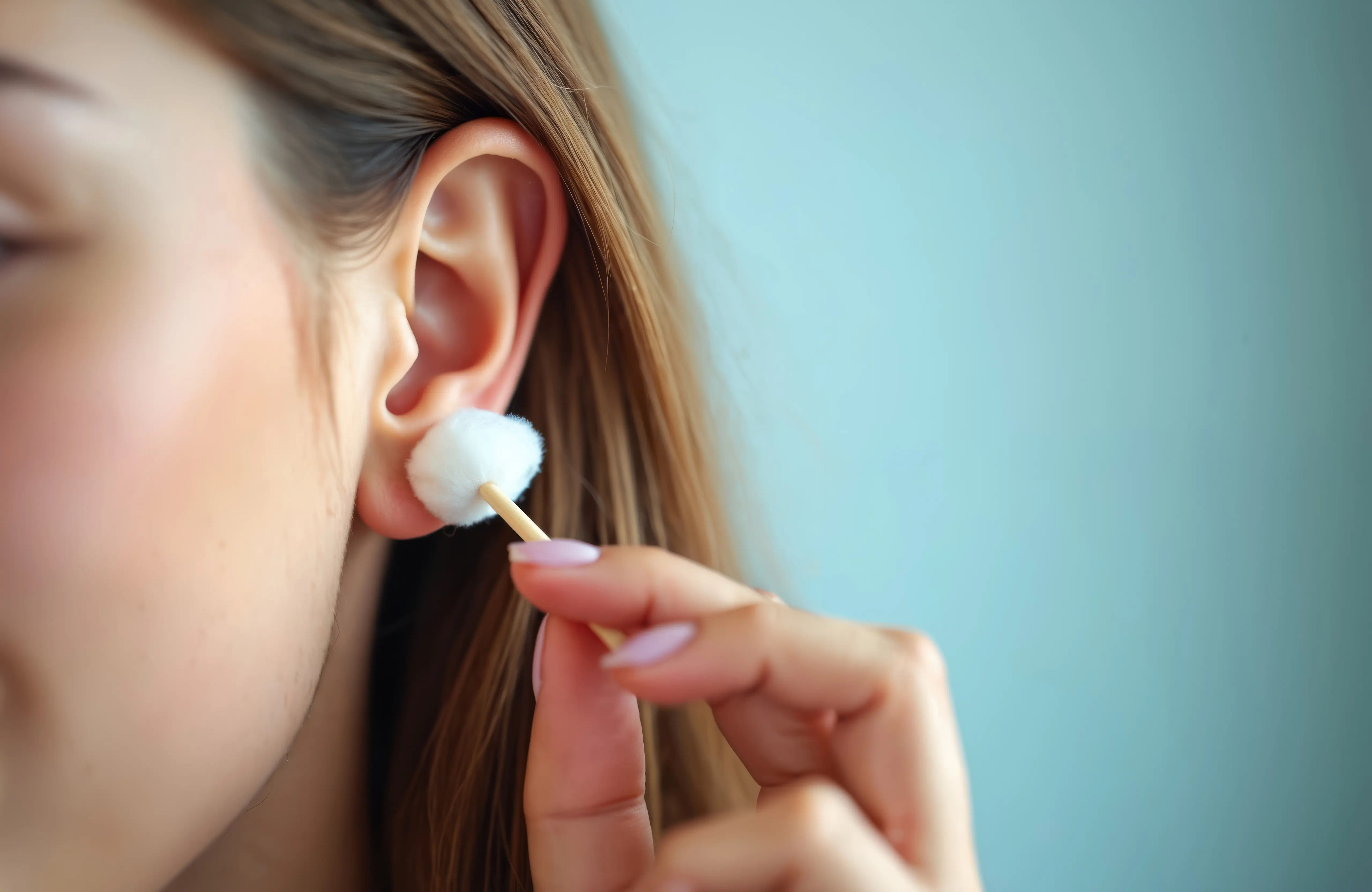
I've been using a qtip to clean my ear, and after I took it out, I noticed some bleeding. Does this mean I might've ruptured my eardrum? Should I be worried about how serious it is? Everything seems normal otherwise, like there's no pain, dizziness, and my hearing is as usual. Just wondering if I should get it checked out.
that could be because of dryness or you might be having Dns or so..visit your ENT doctor for evaluation otherwise as the quantity is negligibke you can forget about it,stay hydrated.
Answered by 1 Apollo Doctors
I've been dealing with a deviated septum, nasal polyps, and a dust allergy that makes me sneeze nonstop and blocks my nose completely. Could the dust allergy be making the polyps worse over time? The congestion is so bad I can barely breathe or sleep, and OTC sprays give me rebound congestion but I feel stuck using them. I'm also noticing I can't smell mild scents as well anymore. Is surgery like septoplasty or polyp removal my only option, or are there non-surgical treatments I could try first? If I do need surgery, how long would recovery take?
yes septoplasty is advised, recovery is around 4-6 weeks.
Answered by 1 Apollo Doctors
Disclaimer: Answers on Apollo 247 are not intended to replace your doctor advice. Always seek help of a professional doctor in case of an medical emergency or ailment.