


- female
- 70 Years
- 14/08/2025
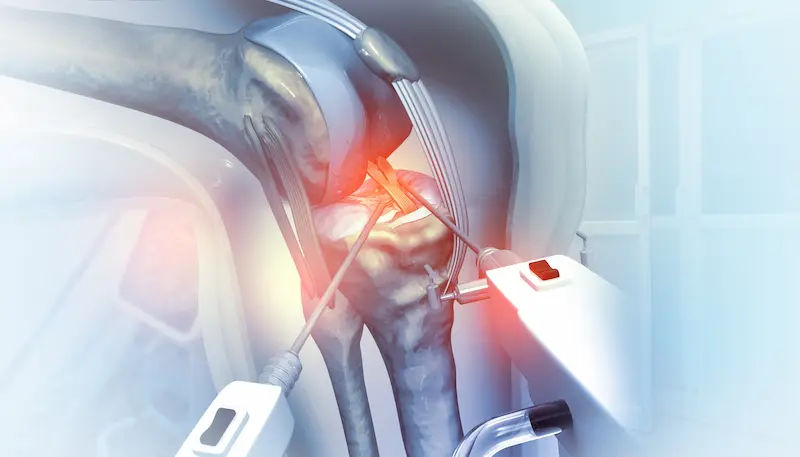
My mom has had osteoporosis and arthritis for about ten years and now her doctor is recommending knee replacement because her knee joints are rubbing together. Given her osteoporosis, is knee replacement still a safe option? Also, how would the implant stay in place if her bones are weak from the porosis? She's otherwise healthy with no diabetes or other issues.

Answered by 1 Apollo Doctors

I recommend starting with physiotherapy and painkillers to manage your condition. If there's no significant improvement after a reasonable period, we can then consider surgical options.
Dr. Dhankecha Suggests...
Consult a Orthopaedician
Answered 14/08/2025
0
0

More Orthopaedics Health Queries
View allI'm having severe pain in my right wrist when I twist it clockwise, especially right below the bone that sticks out. It gets really bad when I try to turn doorknobs. What kind of splint or cast should I be using if I want to fix this in a few weeks?
You may be experiencing a wrist sprain or strain. To help support and immobilize your wrist, a wrist splint would be beneficial in this case. You can use a wrist splint that is specifically designed to immobilize the wrist joint. Wear the wrist splint consistently, especially during activities that aggravate the pain, like turning door knobs. Additionally, you can also take over-the-counter pain relievers such as ibuprofen (e.g., Advil) to help alleviate the pain and reduce inflammation. However, it is important to consult with a healthcare professional for a proper diagnosis and treatment plan.


Answered by 1 Apollo Doctors
I'm 18 and have bow legs that seem to be getting worse. I don't want surgery but cycling is getting harder even though I've been doing it for weeks. Are there any physical exercises that can actually help fix bow legs or at least stop them from getting worse? I don't have pain yet but I'm worried it might start soon. What would you recommend?
While exercises cannot permanently fix bow legs (Genu Varum), they can help manage symptoms and potentially slow their progression. For an 18-year-old with bow legs, a combination of strengthening, stretching, and mobility exercises can be beneficial
Answered by 1 Apollo Doctors
I'm currently 5'8 and want to increase my height to 6'4. I've heard about limb lengthening surgery and growth plates but not sure how they work. Are there any medicines or procedures that can actually help me grow taller at this point
While it's understandable to want to increase height, it's important to know that reaching a 6'4 height is unlikely through natural means at this point. Growth plates typically close during adolescence, making it very difficult to influence height after that. Limb lengthening surgery is a complex procedure that can increase height but also carries significant risks and recovery time.
Answered by 1 Apollo Doctors
Health Articles for you
View all


.webp)
Disclaimer: Answers on Apollo 247 are not intended to replace your doctor advice. Always seek help of a professional doctor in case of an medical emergency or ailment.