


- male
- 60 Years
- 10/05/2022
What are the symptoms of kidney disease, causes & cure?

Answered by 1 Apollo Doctors

Symptoms and signs include decreased urine output, fluid retention causing swelling in your legs/ ankles or feet, shortness of breath, fatigue, confusion, nausea, weakness, irregular heartbeat, chest pain or pressure and seizures or coma in severe case. Most commom causes include Diabetes mellitus, Hypertension, Glomerulonephritis, Interstitial nephritis, Polycystic kidney disease, Prolonged urine obstruction from stones or enlarged prostate, Vesicoureteral reflex, Recurrent Pyelonephritis. Treatement is based on the cause.
Dr. Mubarak Suggests...
Consult a Nephrologist
Answered 04/07/2025
0
0

More Nephrology Health Queries
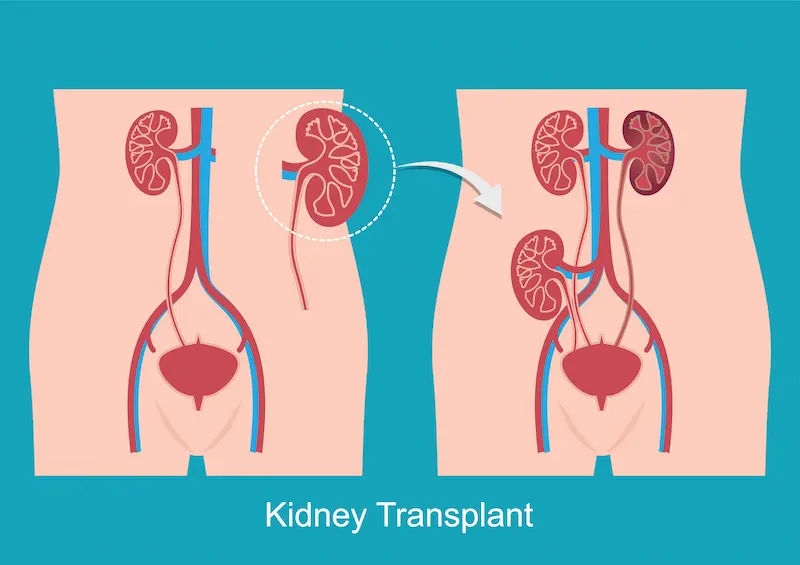
View allHow long can you live after a kidney transplant?
Although most transplants are successful and last for many years, how long they last can vary from one person to the next and also depends on other comorbidities


Answered by 1 Apollo Doctors
Is protein in urine serious?
a very small amount is not serious but large amount is due to underlying kidney disease.
Answered by 1 Apollo Doctors
I'm really worried about my current health situation. My creatinine level is 3.6 and my eGFR is 19. Is there any way to lower my creatinine or at least stop it from going higher? I've heard about Ketosterilwould it be safe or effective for me to take it to help with my creatinine levels?
Creatinine levels can be managed, but reduction or stopping increase depends on underlying kidney function. Consult a nephrologistKetosteril (ketosteril): Not recommended as primary treatment
Answered by 1 Apollo Doctors
Health Articles for you
View all



Disclaimer: Answers on Apollo 247 are not intended to replace your doctor advice. Always seek help of a professional doctor in case of an medical emergency or ailment.