Vitamin K Deficiency Overview and Diagnosis
Learn how Vitamin K supports blood clotting and bone health, the signs of deficiency, who’s at risk, and how to diagnose and treat it effectively through diet, supplements, or medical care.

Written by Dr. Vasanthasree Nair
Reviewed by Dr. Rohinipriyanka Pondugula MBBS
Last updated on 13th Jan, 2026
Introduction
Vitamins are essential for our body to function properly, and Vitamin K plays a crucial role in blood clotting and bone health. A deficiency in this vitamin can lead to serious health issues, but the good news is that it can be easily managed with the right knowledge and care.
In this article, we’ll discuss:
- What Vitamin K is and why it’s important
- Causes and symptoms of Vitamin K deficiency
- How it’s diagnosed
- Simple ways to prevent and treat it
What is Vitamin K and Why is it Important?
Vitamin K is a fat-soluble vitamin that helps in:
- Blood clotting – Prevents excessive bleeding by helping wounds heal.
- Bone health – Supports strong bones by regulating calcium.
There are two main types:
1. Vitamin K1 (Phylloquinone) – Found in leafy greens like spinach, kale, and broccoli.
2. Vitamin K2 (Menaquinone) – Produced by gut bacteria and found in fermented foods like cheese and natto.
Since our body stores very little Vitamin K, we need a regular supply through diet or supplements.
Who is at Risk of Vitamin K Deficiency?
While deficiency is rare in healthy adults, certain groups are more vulnerable:
- Newborns – Babies are born with low Vitamin K levels, increasing bleeding risks.
- People with digestive disorders – Conditions like Crohn’s disease or celiac disease can reduce absorption.
- Those on long-term antibiotics – Antibiotics can kill gut bacteria that produce Vitamin K.
- People with liver disease – The liver helps store Vitamin K, so liver problems can lead to a deficiency.
- Individuals on blood thinners (like Warfarin) – These medications interfere with Vitamin K activity.
Symptoms of Vitamin K Deficiency
The most common signs include:
- Easy bruising – Small bumps lead to large bruises.
- Excessive bleeding – Nosebleeds, gum bleeding, or heavy menstrual periods.
- Blood in urine or stool – Indicates internal bleeding.
- Weak bones – Increased risk of fractures due to poor calcium absorption.
Consult Top General Practitioner
In newborns, Vitamin K Deficiency Bleeding (VKDB) can be life-threatening, causing bleeding in the brain or intestines. That’s why doctors often give Vitamin K shots at birth.
How is Vitamin K Deficiency Diagnosed?
If you suspect a deficiency, your doctor may recommend:
- 1. Prothrombin Time (PT) Test – Measures how long your blood takes to clot. A longer time suggests low Vitamin K.
- 2. International Normalised Ratio (INR) Test – Often used for patients on blood thinners to check clotting ability.
- 3. Vitamin K Blood Test – Directly measures Vitamin K levels, though it’s less common.
If you experience unusual bleeding or bruising, consult a doctor for proper testing.
Treatment and Prevention
1. Dietary Changes
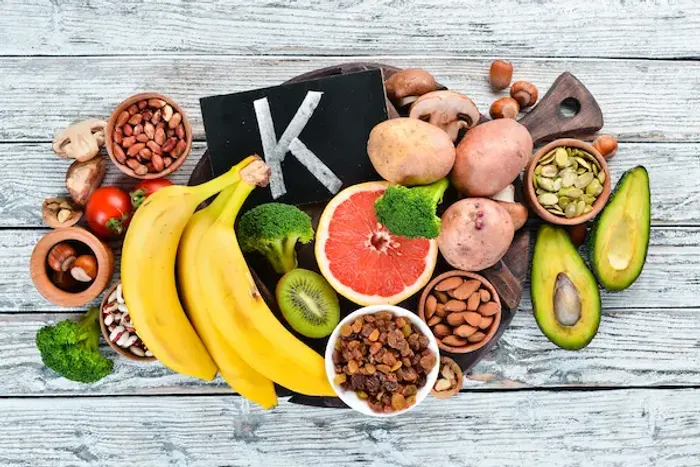
The best way to prevent deficiency is by eating Vitamin K-rich foods:
- Leafy greens – Spinach, kale, collard greens
- Vegetables – Broccoli, Brussels sprouts, asparagus
- Fermented foods – Natto, cheese, yoghurt
- Oils – Soybean and canola oil
2. Supplements
If diet alone isn’t enough, doctors may recommend supplements. However, always consult a doctor before taking them, especially if you’re on blood thinners.
3. Vitamin K Injections for Newborns
Most hospitals give newborns a Vitamin K shot to prevent bleeding disorders.
4. Managing Underlying Conditions
If malabsorption (due to digestive issues) is the cause, treating the root condition (like celiac disease) can help.
When to See a Doctor?
Seek medical advice if you notice:
- Unexplained bruising or bleeding
- Blood in urine/stool
- Frequent nosebleeds
- Weak bones or fractures
If you’re concerned about Vitamin K levels, you can book a consultation or schedule a test through Apollo 24|7 for expert guidance.
Final Thoughts
Vitamin K deficiency is uncommon but can have serious effects if ignored. By eating a balanced diet and staying aware of symptoms, you can easily maintain healthy Vitamin K levels. If you’re at risk or experiencing symptoms, don’t hesitate to consult a doctor for proper diagnosis and treatment.
Consult Top General Practitioner
Consult Top General Practitioner


Dr. Jawwad Mohammed Kaleem
General Practitioner
4 Years • MBBS
Hyderabad
Apollo 24|7 Clinic, Hyderabad

Dr. Rajib Ghose
General Physician/ Internal Medicine Specialist
25 Years • MBBS
East Midnapore
VIVEKANANDA SEBA SADAN, East Midnapore

Dr. Shweta Mutha
General Practitioner
9 Years • MBBS, MD Radiotherapy, DNB Radiation Oncology, Fellowship in Image Guided Radiosurgery
Pune
Apollo Hospitals Pune, Pune

Dr. Suvadeep Sen
Critical Care Specialist
12 Years • MBBS, MD, FNB (CRITICAL CARE MEDICINE), EDIC
Mumbai
Apollo Hospitals CBD Belapur, Mumbai

Dr. Nupur Tandon
General Physician/ Internal Medicine Specialist
16 Years • MBBS, PG DIPLOMA IN Diabetes Management, Specialist in diabetes and thyroid disorders (CCEBDM)
Bengaluru
Apollo Clinic, Sarjapur Road, Bengaluru

(25+ Patients)
Consult Top General Practitioner
Dr. Jawwad Mohammed Kaleem
General Practitioner
4 Years • MBBS
Hyderabad
Apollo 24|7 Clinic, Hyderabad
Dr. Rajib Ghose
General Physician/ Internal Medicine Specialist
25 Years • MBBS
East Midnapore
VIVEKANANDA SEBA SADAN, East Midnapore
Dr. Shweta Mutha
General Practitioner
9 Years • MBBS, MD Radiotherapy, DNB Radiation Oncology, Fellowship in Image Guided Radiosurgery
Pune
Apollo Hospitals Pune, Pune
Dr. Suvadeep Sen
Critical Care Specialist
12 Years • MBBS, MD, FNB (CRITICAL CARE MEDICINE), EDIC
Mumbai
Apollo Hospitals CBD Belapur, Mumbai
Dr. Nupur Tandon
General Physician/ Internal Medicine Specialist
16 Years • MBBS, PG DIPLOMA IN Diabetes Management, Specialist in diabetes and thyroid disorders (CCEBDM)
Bengaluru
Apollo Clinic, Sarjapur Road, Bengaluru
(25+ Patients)