2D Echo Test Overview and Details
Learn what a 2D Echo Test is, why it’s done, how it’s performed, and what heart conditions it can detect. Understand its benefits, safety, and booking process at Apollo 24|7.

Written by Dr. Rohinipriyanka Pondugula
Reviewed by Dr. D Bhanu Prakash MBBS, AFIH, Advanced certificate in critical care medicine, Fellowship in critical care medicine
Last updated on 28th Aug, 2025
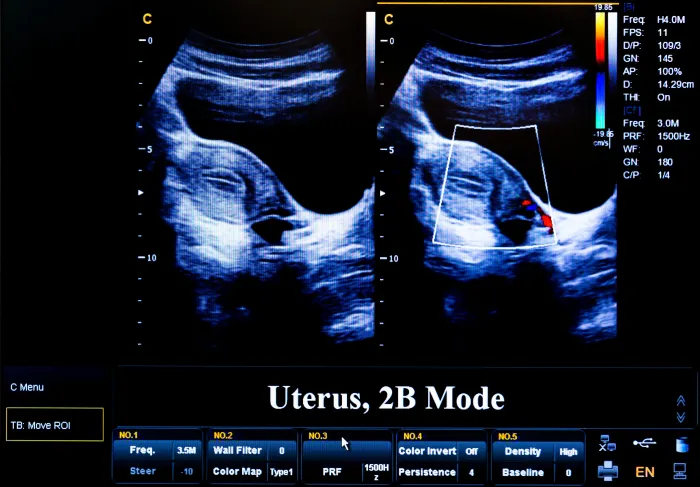
When it comes to heart health, early detection and proper diagnosis are crucial. One of the most common and painless tests used to assess heart function is the 2D Echo Test (Two-Dimensional Echocardiography). If your doctor has recommended this test, you might have questions about what it is, why it’s needed, and what to expect. This article will help you understand everything in simple terms.
What is a 2D Echo Test?
A 2D Echo Test is a type of ultrasound scan that uses sound waves to create detailed images of your heart. Unlike X-rays, it does not involve radiation. Instead, it captures real-time moving pictures of your heart’s structure, valves, and blood flow. This helps doctors check how well your heart is functioning.
Why is a 2D Echo Test Done?
Your doctor may recommend a 2D Echo Test if you have symptoms like:
- Chest pain or discomfort
- Shortness of breath
- Irregular heartbeat (palpitations)
- Swelling in the legs (edema)
- Fatigue or dizziness
It is also used to:
- Detect heart diseases (like valve problems, heart failure, or congenital defects).
- Monitor existing heart conditions (after a heart attack or surgery).
- Assess heart function before major surgeries.
How is the Test Performed?
The procedure is painless, non-invasive, and usually takes 20-30 minutes. Here’s what happens:
1. Preparation: No special preparation is needed. You can eat and drink normally before the test.
2. Positioning: You will lie on your left side while a technician applies a gel on your chest.
3. Transducer Use: A small handheld device (transducer) is moved over your chest to capture heart images.
4. Sound Waves: The transducer sends sound waves that bounce off your heart, creating images on a screen.
5. Results: A cardiologist will review the images and share the findings with your doctor.
Are There Any Risks?
No! The 2D Echo Test is completely safe—no radiation, needles, or side effects.
What Can a 2D Echo Test Detect?
This test provides valuable information about:
- Heart size and shape (enlarged heart, thickened walls).
- Heart valve function (leaky or stiff valves).
- Blood flow (blockages or abnormal circulation).
- Pumping efficiency (how well your heart pumps blood).
- Congenital defects (birth-related heart problems).
Tips for a Smooth Test Experience
- Wear comfortable, loose-fitting clothing.
- Stay relaxed—breathing normally helps get clear images.
- Inform the technician if you have any discomfort during the test.
When Should You Get a 2D Echo Test?
If you experience persistent heart-related symptoms, consult your doctor. Early diagnosis can prevent complications. You can easily book a 2D Echo Test at Apollo 24|7 from the comfort of your home.
How to Book a Test with Apollo 24|7?
1. Visit Apollo 24|7 Website/App
2. Select "Book a Test"
3. Choose "2D Echo Test"
4. Pick a convenient slot (home collection or lab visit)
5. Get tested and receive digital reports

Final Thoughts
A 2D Echo Test is a simple, safe, and effective way to check your heart’s health. If you have any concerns about your heart function, don’t hesitate to discuss this test with your doctor. Early detection can make a big difference in managing heart conditions effectively.
Consult a Cardiologist for the best advice

Dr. Prashant Kumar V
Cardiologist
15 Years • MBBS, MD, DM( CARDIOLOGY)
Bengaluru
Apollo Clinic, JP nagar, Bengaluru

Dr. Sumanjita Bora
Cardiologist
9 Years • MBBS, PGDCC
Bengaluru
Apollo Clinic, Sarjapur Road, Bengaluru

Dr. Anand Ravi
General Physician
2 Years • MBBS, FEM
Bengaluru
PRESTIGE SHANTHINIKETAN - SOCIETY CLINIC, Bengaluru

Dr. Bhethala Sharan Prakash
General Physician/ Internal Medicine Specialist
5 Years • MBBS MD
Bengaluru
PRESTIGE SHANTHINIKETAN - SOCIETY CLINIC, Bengaluru

Dr. Sushith C
General Physician
2 Years • MBBS
Bengaluru
PRESTIGE SHANTHINIKETAN - SOCIETY CLINIC, Bengaluru
.webp)