apollo
  • male
  • 50 Years
  • 31/03/2021

What should I do if my pulse is high?

Doctor 1

Answered by 1 Apollo Doctors

There are multiple causes of high pulse, it can be due to Heart disease or Thyroid and needs evaluation.

Dr. Ranjith Suggests...

Consult a Cardiologist

Answered 04/07/2025

0

0

Sick? Talk to a doctor now

More Cardiology Health Queries

View all

I've been noticing something a bit worrying lately sometimes it feels like my heart just sinks for a brief moment, less than a minute, and then things feel normal again. I kind of ignored it at first, but it happened again today, and now I'm a bit concerned. This has been going on occasionally over the past 34 months, and I've counted around 56 times when this has happened. Do you think this could be a sign of a minor attack, or is it something else I should be looking into? What kind of tests would you recommend I get done?

cardiac markers and ecg are advised..

read more
Doctor 1Doctor 2

Answered by 1 Apollo Doctors

I'm 29 and since 2018, I've been experiencing skipped or missed heartbeats, which make me feel really uneasy. In 2019, I had an ECG, an echo, and a TMT done, and they didn't find anything. Recently, I've had two more ECGs and still nothing showed up. The doctor prescribed ivabradine and some anxiety medicine. I also discovered I have hyperthyroidism. I got some relief, but the symptoms have started again, and I'm really scared and worried that something serious is going on. Can you help me figure out what's happening and where I should go to find out the exact cause?

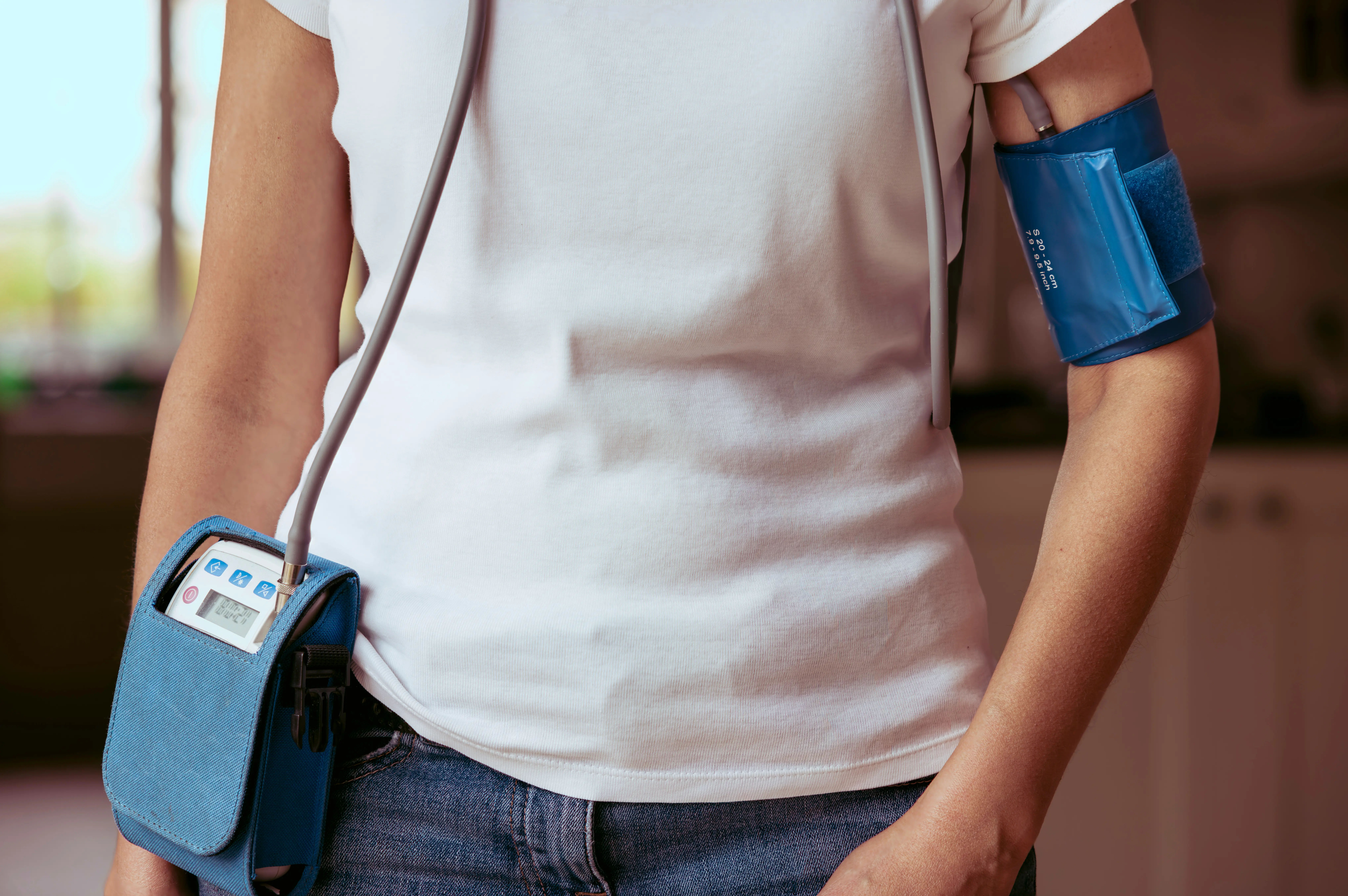
It's understandable to feel anxious and concerned about your symptoms. Skipped or missed heartbeats, known as palpitations, can be distressing but are often benign, especially with normal ECG, echo, and TMT results. Hyperthyroidism can contribute to palpitations and should be managed effectively. Since you have already been prescribed ivabradine and an anxiety medication, it's important to continue following your doctor's advice and taking your medications as directed. Given your ongoing symptoms and anxiety, it might be beneficial to seek a comprehensive evaluation at a specialized center, such as a tertiary care hospital with a cardiology and endocrinology department. They can conduct further tests, such as a Holter monitor to track your heart rhythms over 24-48 hours, and refine your treatment plan. Additionally, managing anxiety through therapy, relaxation techniques, and lifestyle changes can also help alleviate your symptoms. Please consult with your healthcare provider to discuss your concerns and consider a referral to a specialist if needed.

read more
Doctor 1Doctor 2

Answered by 1 Apollo Doctors

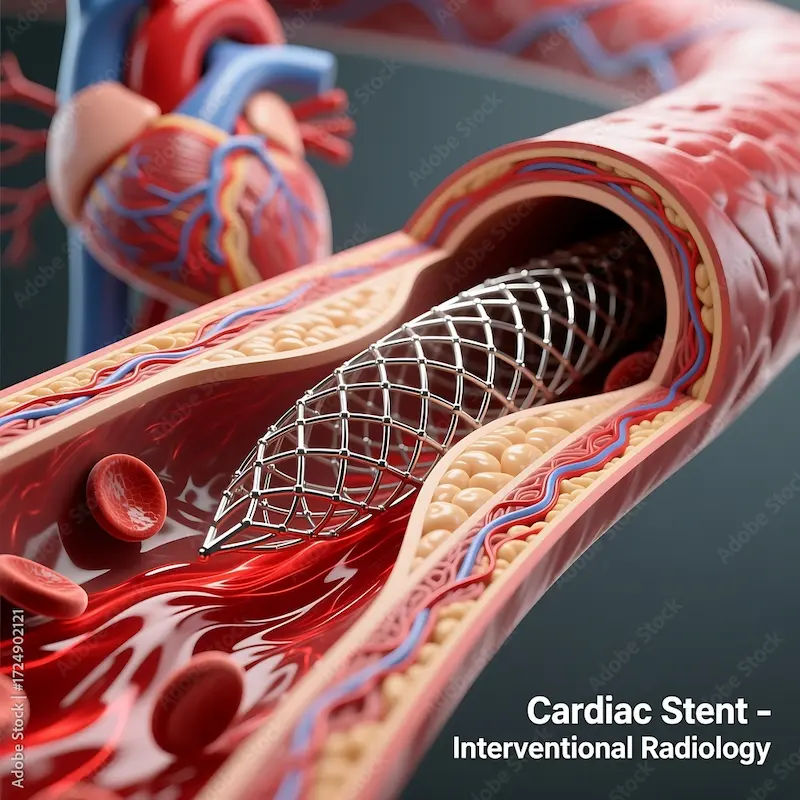
I'm really concerned about my mom. She had a heart attack at the end of October and initially had some anginal pain, but the meds seemed to help for a couple of months. After an angiography, her doctor found an 85% blockage in the LCX OM artery and decided to do an angioplasty. I was hoping that would improve things, but a month later, her LVEF dropped from 45 to 32. Before the angioplasty, her heart was stable, and the dimensions of the left atrium and ventricle seemed normal, but now they're dilated. I was expecting her to get better after the angioplasty and I'm really worried. It's just me and my mom, and I need some guidance on what could be happening. Can you help?

The drop in LVEF after angioplasty may be due to various factors such as the extent of the heart muscle damage from the heart attack, the response to the stent placement, or potential complications post-procedure. To help improve her heart function and prevent further deterioration, her doctor may consider adding medications like Carvedilol (Coreg) to help improve heart function and reduce strain on the heart. Additionally, medications like Lisinopril (Zestril) may be prescribed to help reduce the risk of future heart-related events. It's important for your mother to follow up regularly with her cardiologist for monitoring her heart function and adjusting her treatment plan as needed. Encouraging her to maintain a healthy lifestyle with a balanced diet, regular exercise, and stress management can also support her heart health. Stay positive and supportive for your mother during this challenging time

read more
Doctor 1Doctor 2

Answered by 1 Apollo Doctors

Disclaimer: Answers on Apollo 247 are not intended to replace your doctor advice. Always seek help of a professional doctor in case of an medical emergency or ailment.