


- female
- 40 Years
- 31/03/2021
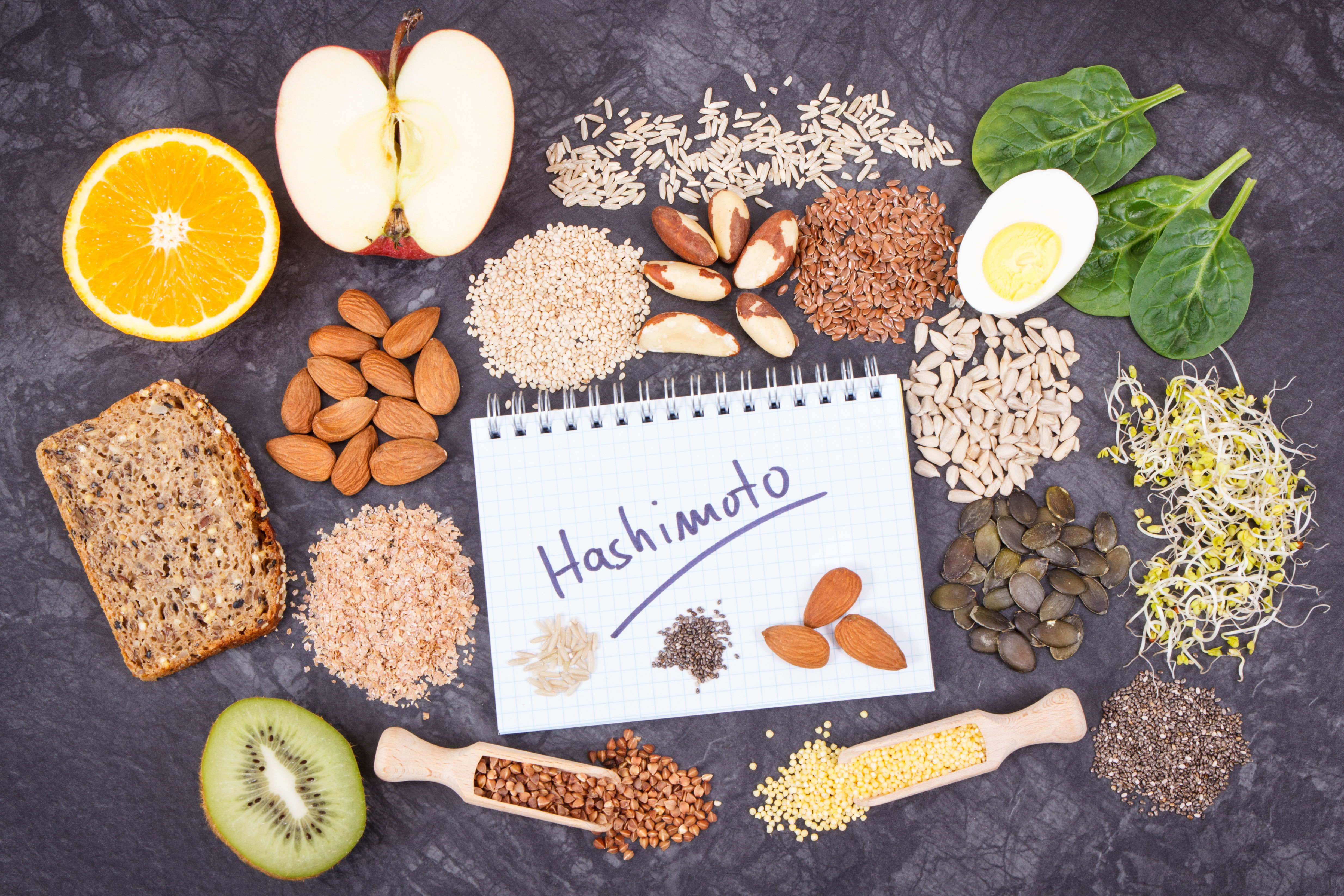
Which food is not good for thyroid?

Answered by 1 Apollo Doctors

Oily/ fried food should be avoided and cabbage, broccoli, kale, cauliflower, spinach should be consumed in moderation
Dr. Ibrahim Suggests...
Consult a Endocrinologist
Answered 04/07/2025
0
0

More Endocrinology Health Queries
View allI'm a bit concerned because my vitamin D3 level is really low, at just 10. Ive started taking 60,000 IU every week to try and get it back up. Does this sound like a good plan to improve my levels? And if it works, what kind of change should I expect in my vitamin D3 levels after using it for 8 weeks?
Yes definitely there will be result,contine the same and consume calcium rich food for a better result.
read more![Doctor 1]()
![Doctor 2]()


Answered by 1 Apollo Doctors
What supplements should not be taken with thyroid medication?
Calcium,Iron,Antacids
read more![Doctor 1]()
![Doctor 2]()
Answered by 1 Apollo Doctors
I've been taking Keraglo Men tablets for about 1012 days now, and I've noticed they've developed a weird smell. I'm kinda worrieddoes this mean something's off with the tablets or could it impact how well they work?
Dermat opinion.
read more![Doctor 1]()
![Doctor 2]()
Answered by 1 Apollo Doctors
Health Articles for you
View all
Disclaimer: Answers on Apollo 247 are not intended to replace your doctor advice. Always seek help of a professional doctor in case of an medical emergency or ailment.