

Guide to Key Heart Tests For Dads After 40
Essential guide for dads over 40: Learn about the key heart tests to monitor cardiovascular health, detect risks early, and stay heart-healthy.

Written by Dr. M L Ezhilarasan
Reviewed by Dr. Md Yusuf Shareef MBBS, Advanced Certificate Course in Dermatology
Last updated on 21st Oct, 2025
_4.webp?tr=q-80,f-webp,w-350,dpr-2,c-at_max 700w)
Introduction
Turning 40 is a milestone that often comes with a new perspective on health. For dads, it’s a time when keeping up with the kids and managing life’s stresses can start to feel different. It’s also the decade when proactive heart health becomes non-negotiable. Heart disease remains the leading cause of death for men, but the good news is that it’s largely preventable. The key lies in early detection through key heart tests. This guide is designed specifically for men over 40 who want to take charge of their cardiovascular well-being. We’ll demystify the essential screenings, explain which tests you should discuss with your doctor, and break down what the results actually mean. Think of this as your roadmap to understanding your heart’s health, so you can stay active, present, and healthy for your family for years to come. We’ll cover everything from simple blood pressure checks to advanced imaging, empowering you with the knowledge to have informed conversations with your healthcare provider.
Why Your 40s are a Pivotal Decade for Heart Health?
Your 40s are often when the cumulative effects of lifestyle choices and genetic predispositions begin to surface. It’s a critical window for intervention, where small changes can have a massive impact on your long-term health.
The Silent Shift: How Your Heart Changes After 40
As men age, the heart muscle can thicken, and arteries may begin to stiffen—a condition known as arteriosclerosis. This natural aging process means your heart has to work harder to pump blood throughout your body. Often, these changes are silent and symptomless. You might not feel any different, but underlying issues like plaque buildup (atherosclerosis) could be developing. This is why relying on how you "feel" is not a reliable strategy. Proactive screening through key heart tests is essential to catch these issues before they lead to a major event like a heart attack or stroke.
Beyond Genetics: Key Risk Factors You Can Control
While family history is a significant factor, it's not your destiny. The most powerful levers you control are lifestyle-related. These include:
- High Blood Pressure: Forces your heart and arteries to work harder.
- High Cholesterol: Leads to plaque buildup that narrows arteries.
- Diabetes or Prediabetes: High blood sugar damages blood vessels over time.
- Smoking: A major contributor to arterial damage.
- Sedentary Lifestyle: Weakens the heart muscle and worsens other risk factors.
- Obesity: Increases strain on the heart and is linked to other risks.
- Chronic Stress: Can elevate blood pressure and lead to unhealthy coping habits.
Understanding these risks is the first step. The next is using medical tests to measure them accurately.
Consult Top Doctors for Personalised Advice
The First Line of Defense: Routine Screening Tests
These are the basic, non-invasive tests that should be part of your regular check-ups. They are the foundation of cardiovascular risk assessment.
Blood Pressure Check: The Silent Guardian
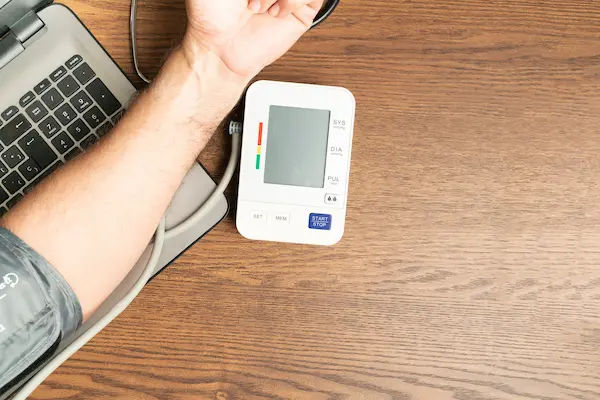
This quick and painless test measures the force of blood against your artery walls. A normal reading is less than 120/80 mm Hg. High blood pressure (hypertension) has no obvious symptoms, which is why it's called the "silent killer." Consistent monitoring is crucial. If your readings are consistently high, your doctor will discuss lifestyle changes and possibly medication. Apollo24|7 offers easy-to-use blood pressure monitors for convenient at-home tracking, allowing you to share data directly with your doctor.
Cholesterol Panel (Lipid Profile): Beyond the "Good" and "Bad"
This blood test, which typically requires fasting, measures several types of fats in your blood.
- LDL ("Bad") Cholesterol: The primary source of artery-clogging plaque.
- HDL ("Good") Cholesterol: Helps remove LDL from the arteries.
- Triglycerides: Another type of fat that, at high levels, increases risk.
It’s not just about the individual numbers but the ratio between them. For men over 40, aiming for an LDL under 100 mg/dL and an HDL above 40 mg/dL is a common target, but your doctor will set personalized goals based on your overall risk. Apollo24|7 offers a convenient home collection for tests like a lipid profile, making it easy to stay on top of your numbers.
Blood Glucose Tests: The Diabetes-Heart Disease Link
Diabetes dramatically increases your risk of heart disease. Screening involves:
- Fasting Blood Glucose: Measures blood sugar after an overnight fast.
- HbA1c: Provides an average of your blood sugar levels over the past 2-3 months.
An HbA1c level of 5.7% to 6.4% indicates prediabetes, and 6.5% or higher suggests diabetes. Managing blood sugar is a direct way to protect your heart.


Diagnostic Heart Tests: When More Investigation is Needed
If your routine screenings show cause for concern, or if you have symptoms like chest pain or shortness of breath, your doctor may recommend these diagnostic procedures.
Electrocardiogram (EKG or ECG): A Snapshot of Your Heart's Rhythm
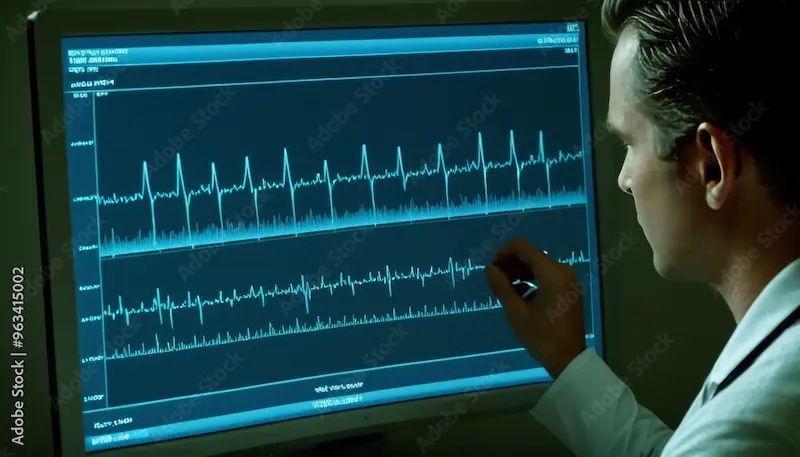
An EKG is a painless test that records the electrical activity of your heart. It can detect:
- Irregular heart rhythms (arrhythmias).
- Evidence of a previous, silent heart attack.
- Signs of reduced blood flow.
It’s a fundamental non-invasive heart test that provides a wealth of information in just a few minutes.
Stress Test: Seeing How Your Heart Performs Under Pressure
A stress test (often done on a treadmill or stationary bike) shows how your heart performs during physical exertion. Your heart rate, blood pressure, and EKG are monitored while you exercise. This test is excellent for uncovering problems that aren't apparent at rest, such as exercise-induced arrhythmias or reduced blood flow to the heart muscle. It's often a key test for men over 40 starting a new exercise regimen.
Echocardiogram: An Ultrasound for Your Heart
This test uses sound waves to create a moving picture of your heart. It allows doctors to see the heart's size, structure, and motion. It can assess the strength of the heart muscle (ejection fraction), the function of the valves, and identify areas of damage. It’s completely safe and provides incredibly detailed information.
Coronary Calcium Scan: A Look Inside Your Arteries
This is a specialized CT scan that detects calcium deposits in the coronary arteries. The presence of calcium is a direct sign of plaque buildup. The result is a "calcium score." A score of zero indicates no plaque and a very low near-term risk of a heart attack. A higher score indicates more plaque and a higher risk, prompting more aggressive preventive measures. This is one of the most direct ways to assess your arterial plaque burden.
Advanced Cardiac Testing: For Specific Concerns
These tests are typically used when initial diagnostics are inconclusive or point to a specific, complex issue.
Cardiac CT Angiography: A Detailed Roadmap of Your Arteries
This test involves injecting a contrast dye into your bloodstream and then using a high-speed CT scanner to take detailed 3D images of your coronary arteries. It can show narrowings or blockages caused by plaque, providing a roadmap for potential treatments like stents or bypass surgery.
Holter Monitor: Tracking Your Heart Rhythm for 24-48 Hours
If your doctor suspects an intermittent irregular heartbeat, they may have you wear a Holter monitor—a portable EKG device—for 24 to 48 hours. This continuous monitoring can catch rhythm abnormalities that a standard in-office EKG might miss.
Creating Your Personal Heart Health Action Plan
Knowledge is power, but action is what creates change. Use the information from these tests to build a personalized plan.
Talking to Your Doctor: What to Ask About Heart Tests
Be proactive during your appointments. Ask questions like:
- "Based on my age and family history, which key heart tests are right for me?"
- "What do my cholesterol and blood pressure numbers mean for my personal risk?"
- "How often should I be getting these screenings?"
- "What is my coronary calcium score, and what does it mean?"
Lifestyle as Medicine: The Foundation of Prevention
Regardless of your test results, a heart-healthy lifestyle is the best medicine.
- Diet: Focus on a Mediterranean-style diet rich in vegetables, fruits, whole grains, and lean proteins.
- Exercise: Aim for at least 150 minutes of moderate-intensity aerobic exercise per week.
- Weight Management: Losing even 5-10% of your body weight can significantly improve blood pressure and cholesterol.
- Smoking Cessation: This is the single most important thing you can do for your heart health.
If you're struggling to make these changes on your own, consult a doctor online with Apollo24|7. They can provide personalized advice and connect you with nutritionists or lifestyle coaches to help you build sustainable habits.
Conclusion
Navigating heart health after 40 might seem daunting, but it’s one of the most important investments you can make in your future. By understanding the purpose of these key heart tests—from the basic blood pressure cuff to the detailed coronary calcium scan—you move from a passive patient to an active participant in your well-being. Remember, these tests are not about finding something wrong; they're about gaining the knowledge to keep everything right. A normal result provides peace of mind and a baseline for the future. An abnormal result is an early warning—a chance to make powerful, life-extending changes. Your family counts on you. Take this guide, discuss it with your doctor, and take the first step on a path to a stronger, healthier heart. If you have any concerning symptoms like chest discomfort or unusual shortness of breath, book a physical visit to a doctor with Apollo24|7 for a comprehensive evaluation.
Consult Top Cardiologists
Consult Top Doctors for Personalised Advice

Dr. Anand Ravi
General Physician
2 Years • MBBS, FEM
Bengaluru
PRESTIGE SHANTHINIKETAN - SOCIETY CLINIC, Bengaluru

Dr. Bhethala Sharan Prakash
General Physician/ Internal Medicine Specialist
5 Years • MBBS MD
Bengaluru
PRESTIGE SHANTHINIKETAN - SOCIETY CLINIC, Bengaluru

Dr. Sushith C
General Physician
2 Years • MBBS
Bengaluru
PRESTIGE SHANTHINIKETAN - SOCIETY CLINIC, Bengaluru

Dr. Sumanjita Bora
Cardiologist
9 Years • MBBS, PGDCC
Bengaluru
Apollo Clinic, Sarjapur Road, Bengaluru

Dr. Ramalinga Reddy
General Physician
5 Years • MBBS MD General medicine
Bengaluru
PRESTIGE SHANTHINIKETAN - SOCIETY CLINIC, Bengaluru
Consult Top Cardiologists
Dr. Anand Ravi
General Physician
2 Years • MBBS, FEM
Bengaluru
PRESTIGE SHANTHINIKETAN - SOCIETY CLINIC, Bengaluru
Dr. Bhethala Sharan Prakash
General Physician/ Internal Medicine Specialist
5 Years • MBBS MD
Bengaluru
PRESTIGE SHANTHINIKETAN - SOCIETY CLINIC, Bengaluru
Dr. Sushith C
General Physician
2 Years • MBBS
Bengaluru
PRESTIGE SHANTHINIKETAN - SOCIETY CLINIC, Bengaluru
Dr. Sumanjita Bora
Cardiologist
9 Years • MBBS, PGDCC
Bengaluru
Apollo Clinic, Sarjapur Road, Bengaluru
Dr. Ramalinga Reddy
General Physician
5 Years • MBBS MD General medicine
Bengaluru
PRESTIGE SHANTHINIKETAN - SOCIETY CLINIC, Bengaluru
.webp)

.webp)
Frequently Asked Questions
What is the most important heart test for a man over 40?
There isn't one single 'most important' test. The foundation is a combination of routine screenings: blood pressure, cholesterol panel, and blood glucose tests. The most valuable test for you depends on your individual risk factors, which your doctor can help assess.
How often should I get my cholesterol checked?
If your levels are normal, your doctor may recommend a test every 4-6 years. However, if you have high cholesterol, other risk factors, or are on medication, you may need it checked annually or more frequently.
What are the symptoms of a silent heart attack in men?
Silent heart attacks may not have the classic chest pain. Symptoms can include unusual fatigue, indigestion or heartburn-like discomfort, shortness of breath, nausea, or pain in the jaw, neck, or back. Any new, unexplained symptom deserves medical attention.
Is a coronary calcium scan worth the cost?
For men over 40 with intermediate heart disease risk (e.g., family history plus one other factor like high blood pressure), a calcium scan can be extremely valuable. It provides a direct measure of plaque buildup, which can help you and your doctor decide how aggressively to manage your risk factors.
At what age should men start getting serious about heart tests?
While baseline numbers should be established in your 20s and 30s, age 40 is a recognized tipping point for more vigilant and regular screening. If you have a strong family history of early heart disease, you should start these conversations with your doctor even earlier.