


- Female
- 23 Years
- 29/01/2025
I've been noticing some random bruising on my left leg and other areas of my body, and there's no pain or any injury that I can think of. They just show up without any warning. I'm also experiencing delayed periods and was wondering if these might be related in some way? On top of that, I've been diagnosed with vertigo. Could there be any connection between these symptoms? It's all starting to worry me a bit.

Answered by 1 Apollo Doctors

Burning Sole, Chronic Fatigue, and Associated Symptoms
Possible Underlying Conditions
- Vitamin deficiencies: Vitamin B12, iron, or magnesium deficiencies can cause burning sensations, fatigue, and neurological symptoms.
- Diabetes or prediabetes: Nerve damage (neuropathy) can cause burning sensations in the feet.
- Thyroid disorders: Hypothyroidism (underactive thyroid) can cause fatigue, hair loss, and cognitive impairment.
- Anemia: Iron-deficiency anemia can cause fatigue, hair loss, and cognitive impairment.
- Neurological conditions: Conditions like peripheral neuropathy, multiple sclerosis, or fibromyalgia can cause burning sensations, fatigue, and cognitive impairment.
Recommended Tests
- Complete Blood Count (CBC): To check for anemia, vitamin deficiencies, and infection.
- Blood glucose and HbA1c: To check for diabetes or prediabetes.
- Thyroid Function Tests (TFTs): To check for thyroid disorders.
- Vitamin B12 and iron levels: To check for deficiencies.
- Nerve conduction studies (NCS) and electromyography (EMG): To check for nerve damage.
Treatment and Management
- Address underlying conditions: Treat any underlying conditions, such as vitamin deficiencies or thyroid disorders.
- Pain management: Use pain-relieving medications or alternative therapies like acupuncture or physical therapy.
- Lifestyle modifications: Maintain a healthy diet, exercise regularly, and manage stress.
Consult a Specialist
- Neurologist: For evaluation and management of neurological symptoms.
- Endocrinologist: For evaluation and management of thyroid disorders or diabetes.
- Primary care physician: For ongoing monitoring and management of your condition.
Dr. Ranjith Suggests...
Consult a Haematologist
Answered 04/07/2025
0
0

More Haematology Health Queries
View allI just got my blood test results back, and it shows that my absolute basophil count is 0 and my lymphocytes are at 41. Should I be worried? Is this something serious or pretty normal? I'm a little anxious about what these numbers might mean for my health.
An absolute basophil count (ABC) of 0 is generally considered within the normal range, as basophils typically account for less than 1% of total blood cells, while a lymphocyte percentage of 41 is slightly elevated, but may not be a cause for concern, unless accompanied by other abnormal blood test results or clinical symptoms,


Answered by 1 Apollo Doctors
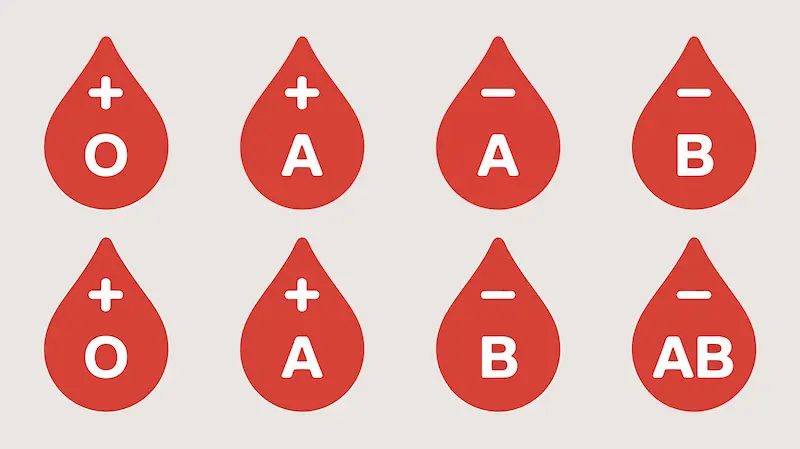
I'm curious about blood group compatibility for marriage. Both my partner and I have A positive blood types. Could this lead to any issues or concerns we should be aware of?
In general, there are no significant concerns or complications for a marriage between two individuals with A+ positive blood groups, as they share the same ABO blood type and Rh positivity, minimizing the risk of blood transfusion reactions or hemolytic disease of the newborn (HDN) in their offspring
Answered by 1 Apollo Doctors
I've just found out that my absolute basophils and basophils count are at 0.0, and I'm a bit worried because I found that the normal range for absolute basophils is around 20 to 100 cmm. Should I be concerned about this? How can I work on increasing these levels?
its normal
Answered by 1 Apollo Doctors
Health Articles for you
View all


Disclaimer: Answers on Apollo 247 are not intended to replace your doctor advice. Always seek help of a professional doctor in case of an medical emergency or ailment.